Transport Management Systems: Fleet Optimization for West Africa
Framework for implementing transport management systems tailored to Nigeria and neighbouring markets, with emphasis on compliance and visibility.
Operating Reality in West Africa
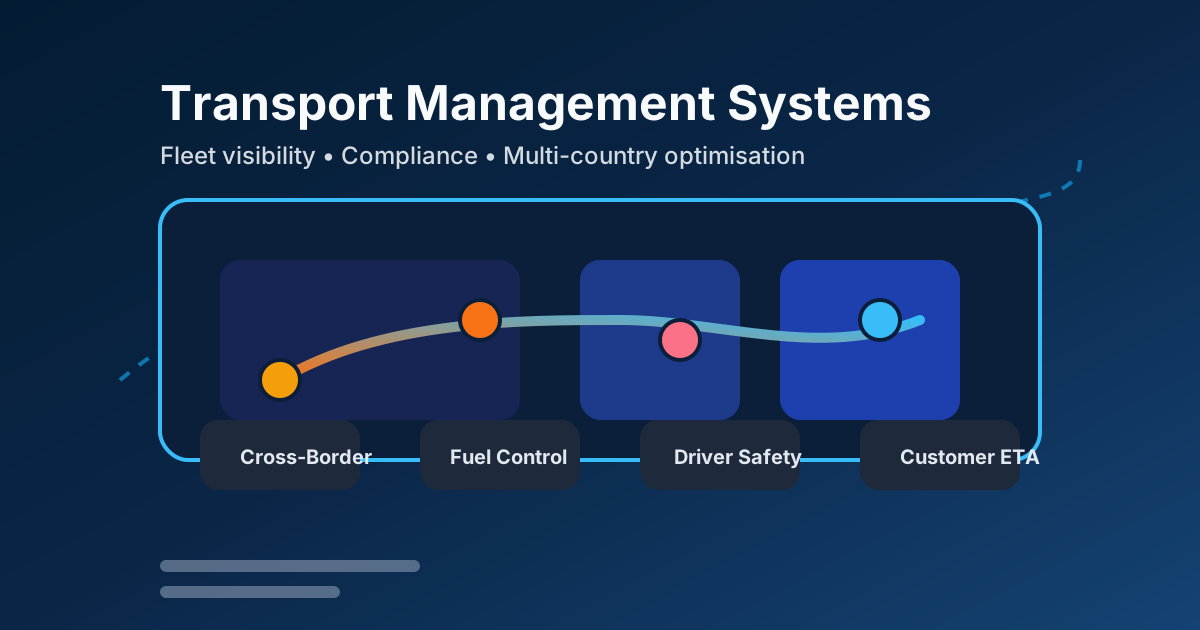
Transporters navigate diverse infrastructure across Nigeria, Ghana, and Côte d’Ivoire. Compliance requirements shift at every border, and inland checkpoints add delays. A transport management system (TMS) must absorb this complexity without overwhelming dispatchers.
Core capabilities include multi-leg trip planning, customs documentation support, and integration with weighbridge systems. Without these, fleet managers default to spreadsheets that quickly become outdated.
Core Modules for a High-Impact TMS
A modular TMS allows phased adoption. Start with order management and automated trip creation, then layer in driver settlement, fuel management, and customer portals. Each step delivers value that funds the next.
Integration with telematics devices produces live visibility on truck location, harsh braking, and idle time. Combining that with digital proof-of-delivery shortens cash cycles because customers approve invoices faster.
- Plan for offline data capture for corridors with inconsistent connectivity.
- Embed compliance workflows for axle load limits, dangerous goods, and bonding.
- Expose customer-facing tracking portals to differentiate service levels.
Change Management Across the Region
Regional fleets typically employ drivers and partners from multiple countries. Training must respect language differences and digital maturity levels. Simulated trips inside the TMS accelerate learning before drivers hit the road.
Encourage collaboration between central planning teams and on-ground coordinators. Weekly retrospectives ensure the TMS configuration reflects ground realities such as port congestion or seasonal crop movements.
- Nominate super users in each depot who run refresher clinics for peers.
- Share analytics openly so teams see how their input reduces delays and fines.
- Set up a governance board that includes finance, compliance, and customer service.
Measuring Impact
Executives need clear proof that the TMS investment is paying off. The best programmes track utilisation, empty return ratios, demurrage costs, and customer satisfaction alongside financial metrics.
Dashboards that blend operational and financial KPIs create a shared language between fleet teams and the board. Over time, the data enables predictive maintenance, optimal load pairing, and even new revenue models such as backhaul marketplaces.
Key Takeaways
- West African fleets require TMS platforms built for multi-country compliance and offline resilience.
- Modular adoption paired with telematics integration delivers quick wins and sustained value.
- People enablement and transparent analytics keep teams aligned on performance improvements.