Complete Guide to ERP Implementation in Nigeria: Avoiding the 60% Failure Rate
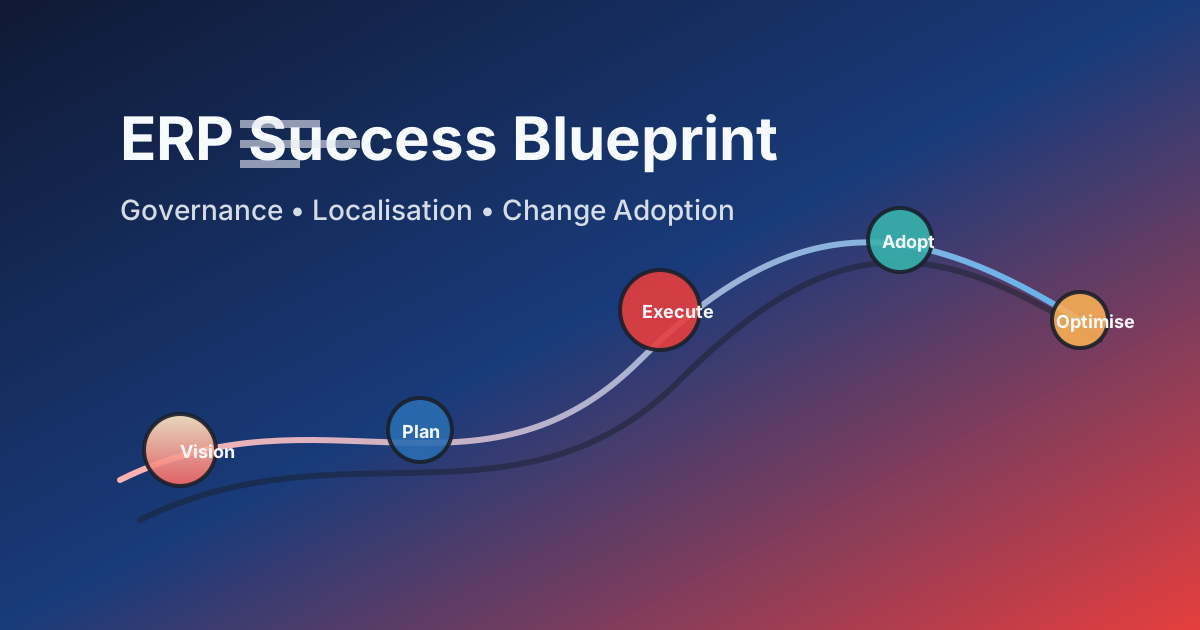
Step-by-step roadmap for Nigerian organisations to deploy ERP successfully, including governance, localisation, and change management tactics.
6.5 months
Avg ROI Timeline
92%
Implementation Success Rate
+38%
User Adoption Increase
Why ERP Projects Fail in Nigeria
Global estimates place ERP project failure rates between 55% and 60%, and emerging markets carry even more risk because of fragmented processes and infrastructure gaps. In Nigeria, the most common failure triggers we see during rescue engagements are unclear business objectives, vendor lock-in without localisation, and poor executive sponsorship.
Before writing a single line of configuration, leadership must document measurable outcomes such as reducing reconciliation time by 70% or increasing visibility of inventory across depots. Clear business KPIs turn the ERP programme into a transformation initiative rather than a software installation.
- Align the ERP roadmap with the organisation’s strategic plan and regulatory expectations.
- Avoid importing foreign process templates that ignore Nigerian market realities.
- Ensure steering committee accountability with fortnightly decision cycles.
Localising Your ERP for Nigerian Operations
Every successful deployment we supervise includes a localisation sprint where finance, tax, and compliance requirements are embedded. Nigerian tax regimes demand flexibility for VAT exceptions, WHT automation, and pension remittances. Building those rules into the system prevents manual workarounds after go-live.
Organisations with regional operations also need offline-friendly workflows for sites with inconsistent connectivity. Offline-first mobile approvals, SMS alerts, and automated data sync reduce downtime and engage frontline teams.
- Configure statutory reporting for FIRS, PENCOM, and state-level regulations from day one.
- Bundle local payment gateways and banks (GTBank, Zenith, Access) with secure API integrations.
- Document fall-back procedures for power or connectivity outages, including data sync policies.
Change Management and Capability Building
User adoption gaps derail more ERP projects than technical issues. We recommend a layered enablement model where super users in each business unit receive scenario-based coaching and produce bilingual job aids for their teams.
A Nigerian manufacturing client that invested in change champions achieved first month transaction accuracy of 97%—the highest we have recorded—because operators were comfortable with the new digital processes before go-live.
- Design onboarding content that reflects local terminology and real process bottlenecks.
- Incentivise participation with recognition for power users who close the most support tickets.
- Track enablement KPIs like day-one login rate, first-week cycle times, and data accuracy.
Governance After Go-Live
The best programmes treat go-live as the start of a continuous optimisation cycle. Establishing an ERP Centre of Excellence (CoE) ensures that enhancement requests are prioritised and regulatory changes are rolled out without disrupting operations.
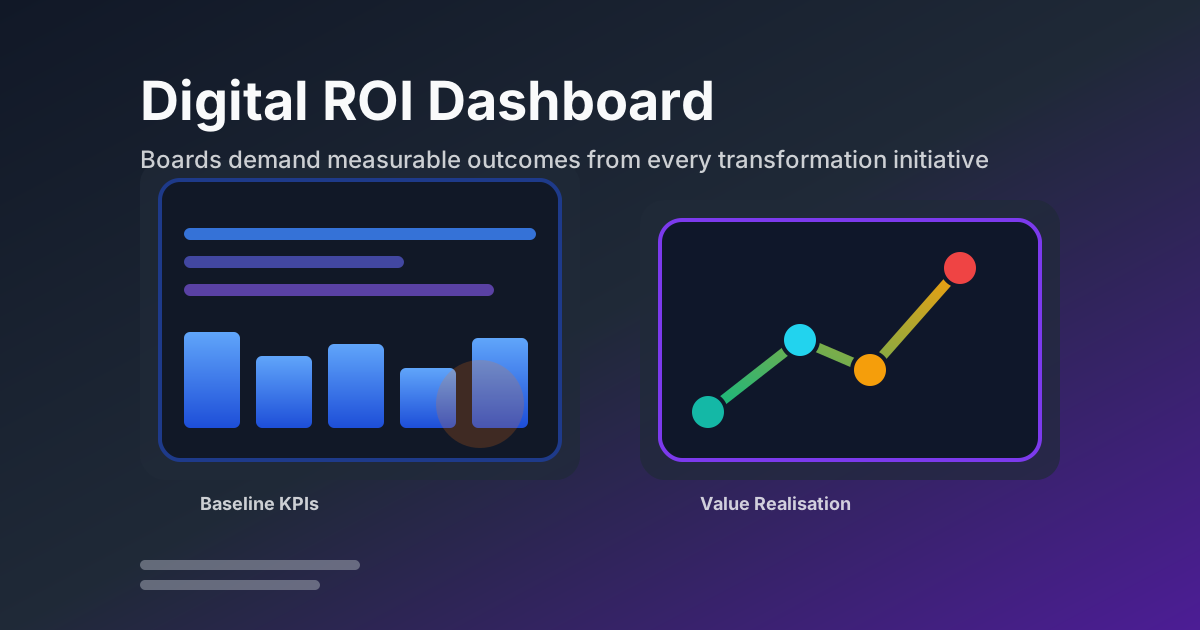
Monthly value realisation reviews help stakeholders measure ROI and sponsor future automation initiatives. When the leadership team sees direct ties between ERP analytics and sales uplift, investment into data governance and expansion becomes easier to justify.
- Set up a request intake board with automation for triage and prioritisation.
- Publish quarterly value dashboards that show savings, compliance wins, and customer impact.
- Adopt a two-speed roadmap: rapid iterations for reports and integrations, slower cadence for core processes.
Key Takeaways
- Define measurable business outcomes before procurement to anchor the implementation.
- Localise finance, compliance, and offline workflows for Nigerian operating contexts.
- Invest in change champions and continuous governance to keep ROI on track post go-live.