Procurement Automation: Reducing Costs by 35% in Nigerian Enterprises
Insights on digitising sourcing, approvals, and supplier performance to achieve double-digit savings amid inflationary pressures.
Why Manual Procurement is Unsustainable
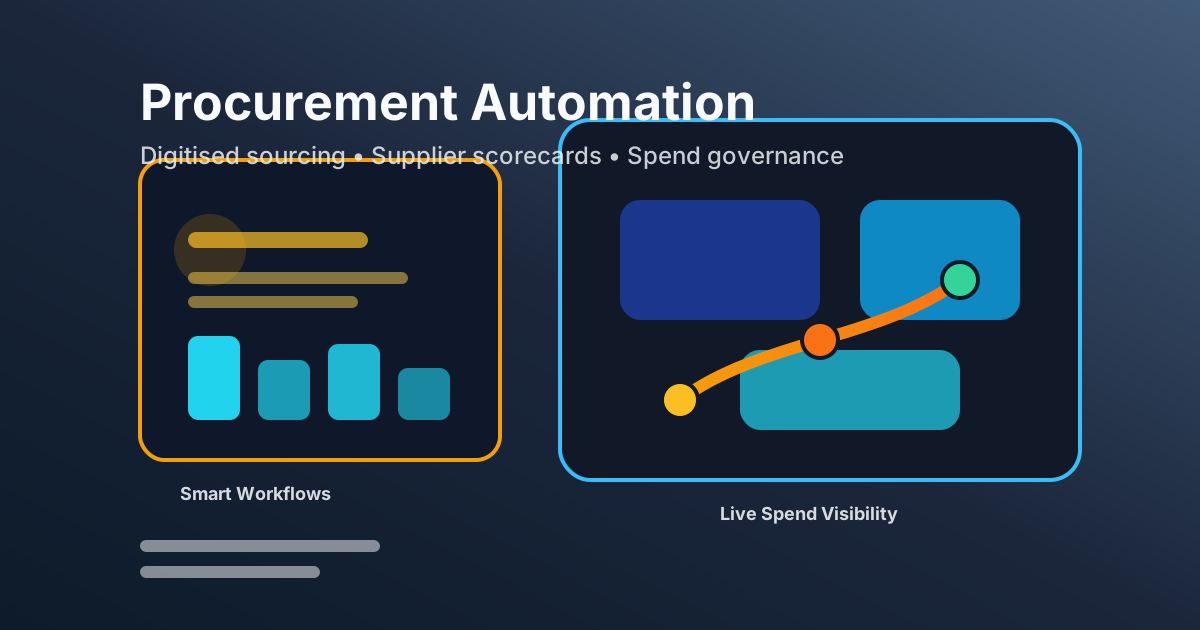
Manual requisitions, email approvals, and spreadsheet-based supplier records slow down purchasing cycles at the exact moment Nigerian businesses need agility. Teams often lack visibility into committed spend, leading to surprise cash crunches.
Automation brings structure: requisitions move through rule-based workflows, preferred suppliers surface automatically, and every approval is auditable. Finance gains instant insight into liabilities and can plan cash needs more accurately.
- Automate three-way matching to eradicate duplicate or fraudulent invoices.
- Implement budget guards that alert managers when requests exceed threshold.
- Centralise supplier onboarding with compliance document tracking.
Delivering Savings and Compliance
One Nigerian telco reduced maverick spend by 38% after rolling out digital catalogues and tender management. The system required business units to justify off-contract purchases, closing loopholes for ad-hoc sourcing.
Digital supplier scorecards, fed by delivery performance and quality data, make quarterly business reviews more objective. Vendors that improve performance gain faster payment terms, strengthening the ecosystem.
Implementation Checklist
Procurement automation touches every department. Start with an operating model review to ensure policies support digital workflows. Involve Internal Audit early so the new process satisfies compliance mandates.
From a technology standpoint, integrate the procurement platform with ERP, finance, and inventory modules to maintain a single source of truth. Mobile approvals are vital for executives on the move.
- Map current-state workflows and eliminate redundant approval nodes.
- Cleanse supplier master data before migration to prevent duplicate records.
- Define KPIs such as cycle time, savings realised, and supplier risk score.
Key Takeaways
- Automation creates transparency that prevents maverick spend and invoice fraud.
- Supplier scorecards and catalogues build stronger partnerships while driving savings.
- Successful rollouts align policy, data quality, and integrations from day one.